What Does "Built to Be Fixed Not Babied" Mean in Real Life?
If you've spent any time in Australia's vast and rugged outback, you'll know that not all 4WDs are created equal. For decades, one phrase has stood out among the toughest off-roaders and remote area rigs: "built to be fixed not babied." But what does that really mean beyond the buzzwords? From the dusty tracks stretching between fuel stops to the remote cattle stations where help is days away, this mantra is the backbone of a vehicle’s longevity and true reliability.

In this article, we’ll unpack what "built to be fixed not babied" means in the context of 4WD ownership, especially focusing on Toyota’s legendary 70 Series LandCruiser — a vehicle that’s been winning hearts and surviving harsh Australian terrains since 1984. We’ll also talk about the critical role of repairability, mechanical simplicity, and the burgeoning aftermarket ecosystem showcased by specialists like the 70 Series Store. For travellers, remote workers, and explorers alike, understanding this concept is essential to picking the right rig and maintaining it properly for the long haul.
Longevity Since 1984: The 70 Series Story
Toyota Australia introduced the 70 Series LandCruiser in the 1980s as a robust tool designed for heavy-duty use. With a production run going strong for over 40 years, it’s clear that the 70 Series wasn’t built to be a flash-in-the-pan or win showroom beauty contests. Instead, it was designed with a purpose: to be dependable, easy to repair, and capable of enduring some of the harshest conditions on Earth.
This vehicle’s continuing popularity in Australia — especially among remote-area operators, mining companies, and the Australian Travel & Tourism Network Pty Limited members — owes much to its mechanical simplicity and focus on durability over flashy tech. The phrase “built to be fixed not babied” describes how this LandCruiser is made to take a beating, and more importantly, to be easily repaired in situ, rather than being babied and heavily dependent on high-tech diagnostics and complex electronics.
What Makes a 4WD "Repairable"?
Not every 4WD can be taken as a given to remote communities where service centres are hundreds to thousands of kilometres apart. Here’s why repairability matters, and how the 70 Series ticks these boxes:
- Mechanical Simplicity: The 70 Series uses a largely mechanical drivetrain — an engine, manual gearbox, and transfer case that don’t require constant programming or computer reboots. When something breaks, you can identify it with basic tools.
- Proven Components: Ladder-frame chassis and live axles are the bread and butter of durability. Unlike unibody designs or independent suspension setups that may be too complex to weld or fix on the trail, ladder frames and solid axles withstand extreme loads and are relatively straightforward to repair.
- Aftermarket Support: The availability of parts via the Toyota dealership network is a given, but importers and aftermarket specialists like the 70 Series Store have developed extensive inventories of upgrade and replacement parts, often improving the original design’s longevity without resorting to proprietary or obscure components.
- Ease of Servicing: You won’t need hours in the workshop or a laptop with proprietary software to diagnose or fix common issues. Many fixes involve simple component replacements or adjustments — the kind of work you can do on-site with a spanner and socket set.
The Ladder-Frame and Live-Axle Advantage
A part of the “built to be fixed not babied” ethos rests squarely in the physical construction methods: the time-tested ladder-frame chassis and live-axle drivetrains.
Unlike monocoque or unibody chassis that may crack or deform in a crash and are difficult to straighten without specialized equipment, ladder frames are steel box beams stacked and welded for maximum rigidity and straightforward repairs. If bent or damaged, you can sometimes even fix them yourself by heating and hammering back into shape or swapping out whole cross members from salvaged parts.
Live differentials and solid axles, meanwhile, remove much of the complexity found in independent suspensions. They can be pulled down in the field for inspection, axle shafts replaced one at a time, and simple gear oil changes performed by owners without fancy tools or diagnostic computers. This simplicity means fewer things to break and easier fixes when the inevitable tough spot in the remote tracks arrives.
Real-World Reliability in Remote Australia
If you’re tackling an outback cattle station or traversing mining haul roads, “reliability” is not just a marketing point — it’s about survival and investment protection. Here’s what that reliability looks like in practice:
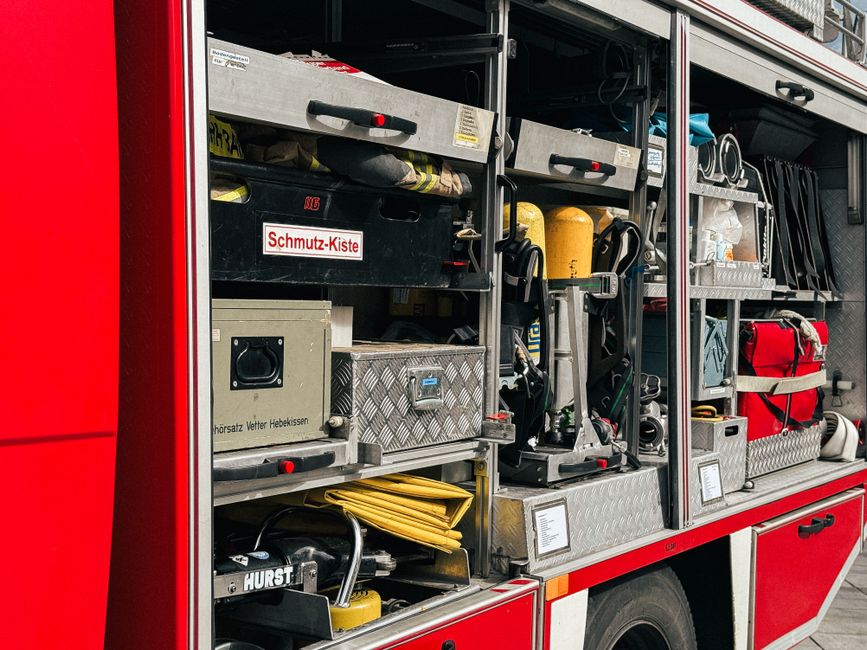
- Distance Between Towns: Outback travellers measure journeys in fuel stops and days between towns. If a vehicle's components fail halfway between supply points, you want something that'll keep running or is fixable with basic tools and a spare parts kit.
- Easy Access to Parts: While Toyota dealerships help with OEM parts, in remote areas, time is of the essence. Expertise and inventory from aftermarket sources such as the 70 Series Store mean you can secure upgraded and reliable replacement parts quickly, even for vehicles dating back decades.
- Owner Repairs: Traditional mechanics and station hands alike value vehicles that allow them to troubleshoot, replace worn parts, and keep going without waiting days for expensive workshops or specialist technicians.
Common Breakdowns and Fixes: What Really Breaks First?
From experience on minesites and dust-choked cattle stations, here’s a glimpse at what tends to fail first on older 4WDs — and how having a vehicle "built to be fixed not babied" plays out:
Component Typical Issue How to Fix Tools/Parts Needed Leaf Springs Cracking or sagging due to load stress Replace individual spring leaves or entire leaf pack Basic hand tools, replacement leaves or packs from Toyota dealership or 70 Series Store Universal Joints (U-joints) Worn or seized due to dust and lack of lubrication Swap out U-joints; regular greasing prevents premature wear Grease gun, socket set, new U-joint kits Radiator Hoses Cracking from heat and age Replace with OEM or upgraded hoses Pliers, screwdrivers, hose clamps, replacement hoses Fuel Pump Failure from contamination or wear Replace mechanical pump on diesel engines Wrenches, new pump, filters Starter Motor Electrical or mechanical failure Remove and replace; check battery and wiring Socket set, multimeter, replacement starterThese routine repairs illustrate the practicality of owning a repairable 4WD like the 70 atn.com.au Series: parts are accessible, replacements straightforward, and fixes doable in remote setups without the dealership’s expensive time clock.
Purchasing Smart: Toyota Dealership vs Aftermarket Ecosystem
If you’re in the market for a dependable 4WD meant for remote-area ownership, you’ll likely visit a Toyota dealership first. Dealerships offer certified vehicles with warranty and access to OEM parts, but that’s just the starting point.
The magic happens when you tap into the wide aftermarket ecosystem — specialists who not only provide replacement parts but also custom upgrades tailored to outback use. The 70 Series Store is a prime example, supplying everything from heavy-duty suspension components to dual battery systems and snorkels engineered to extend vehicle life and enhance field repairability.
The Australian Travel & Tourism Network Pty Limited frequently recommends partnering with both official dealers and reputable aftermarket suppliers to ensure your vehicle can be kept on the tracks, long after its warranty expires. This layered support guarantees your rig is truly “built to be fixed not babied” — and ready for whatever the Australian bush throws at you.
Conclusion: Owning a 4WD That Stands the Test of Time
To sum it up, “built to be fixed not babied” goes beyond marketing jargon — it means engineering a vehicle around longevity, simplicity, and real-world repairability. To survive in remote Australia, you need a 4WD that can be serviced with rugged tools, replacement parts on the shelf, and no reliance on complex electronics that will bench your vehicle for days.
Toyota’s 70 Series remains the benchmark for this philosophy, with a chassis designed to withstand harsh use since 1984 and an ecosystem of aftermarket support ensured by the 70 Series Store. For anyone investing in a repairable 4WD for remote area ownership — from cattle stations to outback expeditions — choosing a vehicle built to be fixed means the difference between adding stress or enjoying your journey.
So next time you hear “built to be fixed not babied,” remember: it’s not about avoiding care, it’s about embracing resilience, repair, and ready-for-anything toughness — because in the bush, that’s what counts.